Health and Safety Policy for Removal Van Bermondsey
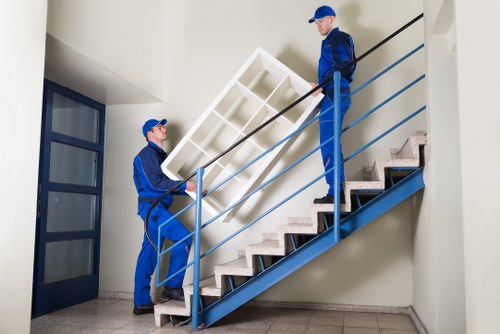 This health and safety policy for a removal van in Bermondsey sets out the standards expected to protect staff, customers, and the public during every stage of a move. Our approach is built on planning, safe handling, and clear communication. Whether a job involves a single item, a full household, or commercial contents, safety remains the first priority. By following consistent working practices, we reduce avoidable risks and ensure each move is completed in a controlled, professional manner.
We recognise that removal van operations can involve heavy lifting, tight access points, traffic exposure, and changing site conditions. For that reason, every assignment is assessed before work begins. The aim is to identify hazards, assign suitable controls, and make sure the team understands its responsibilities. This policy applies to drivers, loaders, supervisors, and anyone assisting with the move. It also supports safe conduct around the property, on public roads, and during loading or unloading.
Our commitment includes compliance with applicable health and safety duties, regular training, and the use of suitable equipment. Vehicles, lifting aids, and protective items are checked before use. We also expect staff to report any concern immediately so action can be taken without delay. 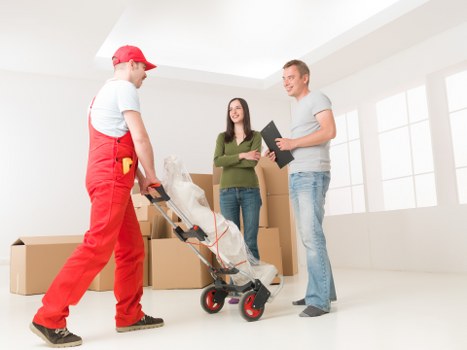 A safe removal van service depends on prevention, attention to detail, and respect for the working environment.
Key Safety Principles
We operate under a simple but effective principle: no task is so urgent that it should be carried out unsafely. This means avoiding overloading, using proper lifting technique, and keeping walkways clear. Staff must not rush when handling fragile or awkward items. Instead, they should pause, assess the situation, and choose the safest method available. The same principle applies whether the team is working in a home, office, storage area, or roadside setting.
Personal protective equipment may be required depending on the task. This can include gloves, high-visibility clothing, sturdy footwear, and other suitable protection. The equipment selected must match the activity and be maintained in good condition. Safe dress standards also matter: loose clothing, poor footwear, and unsecured accessories can create avoidable hazards during lifting and carrying.
We also place importance on fatigue management. Moving and carrying can be physically demanding, so work must be paced sensibly.  If a load is too heavy, too large, or unstable, it should be shared, secured, or handled with lifting aids. Safe practice is always preferred over speed, and staff are expected to speak up if a task feels unsafe or beyond their capability.
Vehicle and Equipment Safety
Every removal vehicle must be checked before departure. This includes tyres, mirrors, lights, fuel level, load security, and the general condition of the van. Any defect that could affect roadworthiness must be reported and addressed before use. A clean, organised vehicle reduces trip hazards and makes it easier to secure items properly. Tools, straps, blankets, and trolleys must be stored so they do not move during transit.
Loading and unloading require particular care. Items should be distributed evenly to maintain balance and avoid shifting during travel. Heavy objects belong at the base of the load, with lighter items placed above where appropriate. Fragile goods must be protected from pressure and vibration. We use securing methods that help prevent movement, and we never overload the van beyond safe limits. A well-planned loading sequence also reduces unnecessary handling.
Communication between team members is essential during all vehicle operations. Clear instructions help avoid confusion when reversing, parking, or moving loads through narrow spaces.  Where visibility is limited, a second person may be used to guide the driver. Staff must remain alert to pedestrians, cyclists, and other road users, especially when operating in busy streets or shared access areas.
Manual Handling and On-Site Control
Manual handling is one of the main areas of risk in any removals policy. We reduce this risk by planning routes, breaking down tasks, and using equipment where needed. Team members are expected to lift with a stable posture, bend at the knees, and avoid twisting while carrying. If an item requires more than one person, the team must lift together using agreed commands and coordinated movement.
We also manage site-specific risks carefully. Floors may be slippery, stairs may be narrow, and entrances may be obstructed by furniture or packaging. Before work begins, the area should be checked for obvious dangers such as loose mats, poor lighting, sharp edges, or unstable items. Safe access and egress must be maintained throughout the job. Any hazard that cannot be controlled immediately should be reported and isolated where possible.
Children, pets, visitors, and members of the public should be kept away from active work areas. This helps reduce distractions and limits the chance of accidental injury.  When conditions change, such as weather, congestion, or access restrictions, the team must adapt the plan accordingly. Safety is not a one-time check; it is maintained throughout the move by constant awareness and sensible decision-making.
Incident Reporting and Continuous Improvement
All incidents, near misses, and unsafe conditions must be recorded and reviewed. Reporting is important even when no injury occurs, because small issues often reveal larger risks. A prompt report helps us identify patterns and improve procedures. We treat every report seriously and use the findings to strengthen our safety practices, equipment checks, and staff awareness.
Training is an essential part of this policy. Staff must understand safe lifting, vehicle loading, hazard recognition, and emergency response. Refresher sessions are provided to keep knowledge current and reinforce good habits. Supervisors are responsible for monitoring performance, correcting unsafe behaviour, and ensuring work is completed in line with this policy. Every team member shares responsibility for maintaining a safe working environment.
Our commitment to removal van health and safety is ongoing. By combining preparation, suitable equipment, trained staff, and careful supervision, we aim to deliver a reliable service that protects people and property. This policy should be followed on every move, regardless of size or complexity, so that all work is carried out with professionalism and due care.