Removal Van Bermondsey

Removal Van Bermondsey provides practical moving support for homes, flats and small business premises in Bermondsey, with the emphasis on careful loading, sensible vehicle use and clear planning. The service suits customers who want a straightforward way to move furniture, boxes and other household goods without overcomplicating the job. We help organise the work around the items being moved, the access at each address and the level of carrying needed on the day.
The main offering is a removal van service for local and longer-distance moves, alongside related help such as lifting, transport and organised loading where it is appropriate. For some moves, a van and a small team is enough; for others, the better choice is a more structured removal plan. If you are comparing moving options, you can start with the scale of the items, then think about stairs, parking, access and whether fragile pieces need extra care.
For a clear starting point, look at the moving pages that match the job, then request a quotation once you know what needs to travel. If you are ready to take the next step, please ask for a quote.
Household moving support
House moves are often more than a simple collection run, because the load usually includes a mix of furniture, packed boxes, white goods and loose items that need to be handled in the right order. Our house moving work is built around sensible loading, secure placement in the van and careful use of space so that suitable items do not shift in transit. That approach helps keep the move tidy from the first lift to the last unload.
Where a home move needs a little more structure, the job may benefit from one of our related residential options rather than a very general van hire approach. House removals are a better fit when the move is larger or more coordinated, while flat removals are useful where stairs, lifts and tighter access affect how the work is handled. These pages help you compare the style of service before you decide how much help you need.
Typical residential moves can include beds, wardrobes, tables, chairs, small appliances, bagged belongings and items that need to be wrapped or separated before loading. In practical terms, the work is about protecting the contents, using the right lifting method and keeping the route from property to van as clear as possible. If you want to discuss the right setup, a short outline of the load is usually a sensible place to begin.
Local and distance transport options

Not every move needs the same vehicle size or the same amount of loading support, so it can help to choose a service that matches the actual movement of goods. For many customers, a van-based move is the most efficient way to shift household contents, student belongings or furniture between addresses without the overhead of a much larger operation. The goal is to keep the move straightforward, efficient and appropriate to the volume involved.
For smaller loads, man and van or man with van pages give a better match than a full-scale removal package. If the move is more substantial, the dedicated removal van and moving truck pages help explain the available transport approach. Choosing the right page is useful because it keeps the job description close to the actual service you need.
The difference between a compact move and a larger transport job is often less about distance and more about how much needs to be carried, whether furniture has to be dismantled and how many trips would otherwise be needed. A well-sized van can reduce unnecessary handling and help the move stay organised. When you are ready, it is worth comparing the service type with the volume of items before asking for prices.
Packing, preparation and careful handling
Packing can make a noticeable difference to how smoothly a move goes, especially when a van is carrying mixed household contents that need to stay separated. Boxes should be closed properly, fragile items should be cushioned and loose pieces should be grouped by room or purpose where possible. That makes loading more efficient and helps the move stay orderly once the vehicle is on the road.
Useful related pages include packing and boxes for supplies and packing support, and packing and unpacking services if you would rather hand over some of the preparation work. These options are especially relevant when the move includes delicate items, awkwardly shaped possessions or a lot of smaller belongings that would otherwise be time-consuming to organise. They also make it easier to decide what should travel first.
- Label boxes by room or item type before moving day.
- Keep valuables and essential documents separate.
- Use strong wrapping for fragile or breakable items.
- Leave clear access to the items that will be loaded first.
Furniture and specialist items
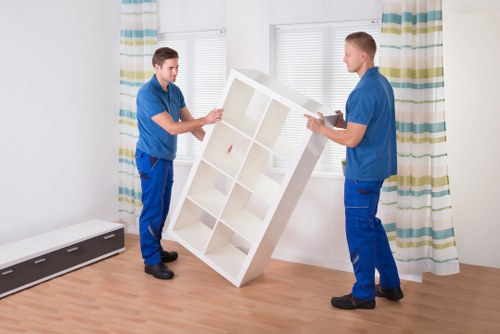
 Furniture often takes the most planning because it may be heavy, bulky or awkward to turn through doorways and stairwells. A sensible removal van arrangement needs to account for size, weight, shape and fragility, as well as whether items can be dismantled and rebuilt safely. Good handling is not only about strength; it is also about using the van space properly so that furniture arrives in a stable condition.
When the job centres on larger furniture pieces, the most relevant service pages are furniture removals and furniture pick-up. The first suits planned transport of multiple items, while the second is helpful where you need a collection or transfer of a smaller number of pieces. For specialist possessions, piano removals is the dedicated page to review because those moves need a more careful and specific approach.
Specialist item moves are best treated on their own terms rather than folded into a generic van booking. That is because the handling method, carrying sequence and vehicle positioning may need to change according to the item itself. If you have a bed frame, wardrobe, piano, table or mixed furniture set to move, it helps to note which pieces are solid, which can be dismantled and which need more protection during transit.
Commercial moves and office relocation
Removal Van Bermondsey also supports businesses that need to move equipment, files, furnishings or stock between premises in an organised way. Commercial moves often need careful timing, sensible packing and an approach that keeps disruption under control while essential items are prepared for transfer. The aim is to move the right things in the right order, rather than simply loading everything at once.
For business customers, the most useful pages are commercial moves, office relocation services and office removals. Each page points towards a slightly different scale of moving work, from general business relocation to office-focused transport and packing. If your move includes desks, chairs, storage units, boxed paperwork or IT equipment, those pages help narrow the service before you request a quotation.
Commercial work often depends on the layout of both premises, especially when equipment needs to be carried from upper floors, shared corridors or managed buildings. It can also involve more careful sequencing so that essential items are accessible quickly after arrival. A well-planned van move for business use should keep the process ordered and practical, with attention paid to the items that matter most for day-to-day operation.
About Bermondsey
Bermondsey is a district in south London, within the London Borough of Southwark, with a long history shaped by riverside industry, markets, housing change and more recent redevelopment. It sits close to the south bank of the Thames and has strong links with neighbouring areas such as Rotherhithe, Southwark and London Bridge. The name is often associated with the medieval Bermondsey Abbey, a Cluniac foundation established in the 11th century, which helped give the area lasting historical importance even though the abbey itself no longer survives in full. The district’s later development was closely tied to docks, warehouses, tanning, leatherwork and food industries that used the Thames corridor for trade and transport. Traces of that working past remain visible in converted warehouses, retained industrial structures and street patterns that differ from the more planned parts of inner London. Bermondsey Street is one of its best-known thoroughfares, with a mix of older buildings, galleries, independent businesses and places to eat that reflect the area’s shift from heavy industry to a more varied urban character. Nearby attractions add to its profile: the Tower Bridge approach, the riverside walkways, the Shard’s broader skyline setting and the network of Southwark streets that connect Bermondsey to central London all shape how it is understood today. The district also includes green and recreational spaces such as Southwark Park, which opened in the 19th century and remains an important local open space. Bermondsey’s identity is therefore layered: medieval origin, industrial growth, post-war housing change and contemporary regeneration sit alongside one another rather than replacing the earlier story entirely. That mixture gives the area a distinct sense of place within inner south-east London.
What to expect from a van-based move

A good removal van service should feel organised from the outset, with the load planned around access, item size and the journey ahead. You do not need a complicated process to get started, but it does help to think through what is being moved, which items need protection and whether there are any awkward access points at either end. That way, the van can be matched more accurately to the job.
The practical choices are usually straightforward: whether the move is a single collection, a partial house move or a larger load that needs more handling support. If the move is mostly household goods, a standard removal van may be enough; if the items are mostly furniture or commercial equipment, a more specific service page may fit better. For more detail on pricing structure and job factors, pricing and quotes is a useful page to review.
When comparing moving options, it is sensible to think about access first and vehicle size second. Stairs, lifts, distance from the entrance to the van and parking arrangements can all affect how much loading time is needed. A clear plan reduces avoidable lifting, helps protect the items being moved and makes the work more manageable for everyone involved.
Storage, timing and flexible move planning
 Some moves do not happen in a single straight line. You may need to move out before a new property is ready, or you may want certain items collected first and held elsewhere until the next stage of the move. In those situations, storage can be part of a practical moving plan rather than an extra complication. The service is most useful when the timing between addresses needs a little flexibility.
Where temporary holding or staggered moving is needed, the relevant page is storage. If the job has to happen at short notice, same-day removals describes a more immediate moving option, while student removals is useful for smaller loads and term-time moves. These services help customers compare the format of the move rather than assuming every job needs the same arrangement.
Flexible planning is not only about speed; it is also about keeping the move realistic. A van can only carry what fits safely, and a mixed load may be easier if part of it travels first and the rest follows later. If you are unsure which approach suits your move, begin by noting the items, the addresses and any dates that cannot change, then ask for a quotation when the outline is clear.
Getting the quotation right
The most useful quotation is one based on the actual job rather than a vague guess, so it helps to describe the move in practical terms. Include the type of property, the number and size of items, whether any pieces need dismantling and whether there are access limits such as narrow staircases or limited parking. Those details make it easier to identify the right removal van setup and avoid unnecessary back-and-forth.
For customers who want a broader view of the business or service standards, the support pages can also be useful alongside the moving pages. removal services gives a general overview of the type of work covered, while removals is a broader reference point if you are still deciding how to describe the job. If you need reassurance about how items are handled, insurance and safety is the relevant page to read before you book.
When you are ready, the next step is simple: gather the basic facts, choose the page that best reflects the size of the move and send an enquiry with the details you have. The more accurate the outline, the easier it is to set the right plan for transport, lifting and access. Please request a quote once you have the essentials together.